
// MIKE HUK
Disruption is inevitable.
Failure doesn’t have to be.
I build the capabilities that keep essential work running.
My work comes down to one question:
Can an organization actually perform when crisis or disruption occurs?
THE PROBLEM
A business impact analysis and a plan don't create the capability.
⌲ A BIA captures important information and prioritizes essential work.
⌲ A plan documents how the business unit intends to recover their essential work.
Neither tells you whether the organization can actually recover when something goes wrong.
That requires capability across three areas:⌲ Available Resources
⌲ Understood Processes & Procedures
⌲ Competencies & Skills in Our People
The goal isn't to have a plan. It's to have an organization that can adapt and recover when circumstances change.
The objective of resilience isn't simply to survive disruption.
It's to maintain what matters, recover what was disrupted, and adapt for what's next.
WHAT I'M BUILDING
A practical approach to business continuity & operational resilience centred on capability — not documentation.
Main Think Build Experience About
©2026 // mikehuk.com
// 01 THINK
Rethinking resilience.
Business continuity has traditionally focused on the quality, completeness, and compliance of its outputs -- risk assessments, business impact analysis, and continuity plans.I think the better question is:Does the organization have the capability to respond effectively when disruption occurs?
That distinction changes how preparedness should be designed, measured and continuously improved.
What is a Capability?
// 01WHAT YOU HAVE >⌲ Systems
⌲ Facilities
⌲ Personnel
⌲ Technology
⌲ Information
⌲ Equipment
⌲ 3rd Parties
// 02WHAT TO DO >⌲ Plans
⌲ Processes
⌲ Procedures
⌲ Strategies
⌲ Activities
// 03HOW TO DO IT >⌲ Skills
⌲ Autonomy
⌲ Knowledge
⌲ Experience
⌲ Confidence
⌲ Decision-making
───────────────►
CONTINUOUSLY IMPROVE CAPABILITY
Test reality.
Tabletop discussions have value, but preparedness can't only live inside a meeting room.The real test is what happens when people, procedures and technology have to perform under pressure.
Don't just exercise the plan.
Exercise the capability.Create an environment where critical thinking, creative problem-solving, and empowered decision-making can thrive.
MEASURE CAPABILITY
If capability can't be seen, it can't be improved.Resilience should be measurable, testable and continuously improving.
CAPABILITY → TEST → LEARN → IMPROVE ↺
The goal isn't a better plan.
It's a more capable organization.
This is what builds resilience.
Main Think Build Experience About
©2026 // mikehuk.com
// 02 BUILD
Building capability, not paperwork.
The goal is simple:Build the capability to maintain what matters, recover what was disrupted, and adapt when circumstances change.
PROGRAM FRAMEWORK
Most programs won't flourish without clear governance and a strong program framework.
// POLICYEstablishes the mandate, objectives, and accountability.
// PROCEDUREDefines how the program is executed and maintained.
// WORKBOOKProvides the tools and guidance needed to do the work.
// PLAN TEMPLATECreates consistency in how plans are developed and maintained.
// RECOVERY GUIDEProvides practical guidance for restoring essential work following disruption.
GOVERNANCE STRUCTURE
⌲ A governance structure creates clear ownership, accountability, decision-making, and consistency.⌲ A program framework turns continuity from a collection of documents into a functioning program.
ORGANIZATION↓DEPARTMENT↓DIVISION↓BUSINESS UNIT
*Organization hierarchy and terminology will vary
THE WORKBOOK
⌲ Each business unit maintains a practical Workbook that brings its essential continuity information together in one place.⌲ It draws from the traditional BIA approach, but focuses only on the information needed to understand, manage and improve capability.
The Workbook becomes the business unit's single source of truth — connecting what matters, what is required, what the business unit can do, and where capability needs to improve.
// 01 ESSENTIAL WORK REGISTERWhat must continue?
// 02 CAPABILITY SCORECARDHow capable are we today?
// 03 EXERCISES & DRILLSHave we tested it?
// 04 IMPROVEMENT LOGWhat did we learn?
// 05 ANNUAL REPORT CARDAre we getting better?
ONE PLACE TO SEE CAPABILITY AND ITS TRENDING OVER TIME.
// 01 ESSENTIAL WORK REGISTER
KNOW WHAT MUST CONTINUE.
The Essential Work Register identifies the functions, processes, services, activities, and deliverables a business unit considers essential.
Essential work may be driven by:⌲ Health, safety, or security
⌲ Customer or contractual commitments
⌲ Legal, regulatory, or licensing obligations
⌲ Reputation or brand protection
⌲ Financial or operational impact
⌲ Strategic or business-critical objectives
⌲ Critical dependencies or enterprise-wide responsibilities
Senior leaders know what matters most. The register captures that knowledge without relying on a formula or prescribed number of items.Typically, a business unit will identify 5–10 essential work items, depending on its size and complexity.
Don't start with the plan. Start with the work that matters.
// 02 CAPABILITY SCORECARD
If you can't see capability, you can't improve it.
THE CAPABILITY CATEGORIES:
// RESOURCESWhat you have⌲ The personnel, systems, technology, information, facilities, equipment and other resources required to sustain essential work.
// PROCESSES & PROCEDURESWhat to do⌲ The plans, processes, procedures, strategies, and activities that allow critical work to continue.
// COMPETENCIES & SKILLSHow to do it under pressure⌲ The knowledge, skills, experience and decision-making capability required when conditions change.
RESOURCES + PROCESSES + COMPETENCIES
= CAPABILITY
The Capability Scorecard uses simple calculations to provide a practical view of readiness across resources, processes and competencies.
RESOURCES
█ █ █ █ █ █ █ █ ░ ░8 / 10PROCESSES
█ █ █ █ █ █ █ ░ ░ ░7 / 10COMPETENCIES
█ █ █ ░ ░ ░ ░ ░ ░ ░3 / 10
Overall capability is limited by the weakest link.
*Illustrative Example
// 03 Exercises & Drills
Test the capability.
Not just the conversation.
⌲ Tabletop exercises have value. But discussion alone can create a false sense of readiness.⌲ Where possible, exercises and drills should focus on weaker capabilities and move into real-world practice.⌲ This leads to a better understanding of current capability and where the gaps exist.
CURRENT CAPABILITY → REQUIRED CAPABILITY
For example, start testing the following to bolster capabilities:
// Key person⌲ Have another employee perform their critical tasks.
// System outage⌲ Shut down access to a critical system and use the manual workaround.
// Loss of workspace⌲ Have the team work remotely or from an alternate location.
// Supplier failure⌲ Contact and activate the designated alternate supplier.
// Loss of information⌲ Retrieve critical information from backup sources.
// Communications failure⌲ Use alternate communication channels to coordinate the team.
// Demand surge⌲ Give the team increased demand and have them prioritize essential work.
// Leadership unavailable⌲ Have designated alternates make decisions and exercise delegated authority.
An exercise shouldn't simply produce an after-action report.
Instead:⌲ Can the alternate process actually work?⌲ Can the technology be accessed?⌲ Can people perform the task?⌲ Can the organization maintain the service?
It should produce better capabilities and build confidence in our people.
// 04 IMPROVEMENT LOG
The purpose isn't simply to record observations from exercises. It's to turn what you learn into measurable improvement.
IMPROVE WHAT YOU FIND.
The Improvement Log turns capability gaps, exercise findings, and other observations into actions.
⌲ What did we find?
⌲ What needs to improve?
⌲ What action will we take?
⌲ Who owns it?
⌲ When will it be completed?
⌲ Was the improvement validated?
Every exercise & drill should create learning. Every learning should drive improvement in capability.
// 04 ANNUAL REPORT CARD
ARE WE GETTING BETTER?
The Annual Report Card provides a simple yearly view of how the business unit and its capabilities are progressing.
Capability
⌲ Where are we today?Testing
⌲ What have we validated?Improvements
⌲ What have we fixed?Gaps
⌲ What still needs attention?Trends
⌲ Are we getting better?Priorities
⌲ What needs to happen next?
| Capability | 2026 | 2027 | 2028 |
|---|---|---|---|
| Resources | 8/10 | 9/10 | 9/10 |
| Processes & Procedures | 7/10 | 8/10 | 8/10 |
| Competencies & Skills | 3/10 | 6/10 | 7/10 |
| OVERALL | 6/10 | 7/10 | 8/10 |
*Illustrative Example
Measure it. Improve it. Show the progress.
// PLANS
Plans matter. They provide structure, preserve knowledge in high turnover organizations, and enable action.
Example Template:
// FOUNDATIONPurpose & Scope
⌲ What does the plan cover?
Essential Work
⌲ What must continue or be recovered?
// PEOPLE & RESOURCES
Roles & Responsibilities
⌲ Who does what?
Resources & Dependencies
⌲ What do we need to operate?
// CONTINUITY
Continuity Strategies
⌲ How will essential work continue?
Response & Decision-Making
⌲ What happens when disruption occurs?
Communication
⌲ Who needs to know what, and when?
// RECOVERY
Recovery
⌲ How do we restore normal operations?
// MAINTENANCE
Maintenance & Validation
⌲ How will the plan stay current and effective?
They should enable capability, not become the measure of it.
The future of continuity is capability.
The industry may be complex.
Preparedness doesn't have to be.
Build it. Test it. Improve it.
Main Think Build Experience About
©2026 // mikehuk.com
// 03 EXPERIENCE
Frontline to enterprise.
I've worked from both sides of crisis and disruption -- from responding to it firsthand to building the systems and programs that organizations rely on to withstand it.
PROFESSIONAL JOURNEY
2009—2015CITY OF TORONTOPrimary Care Paramedic⌲ Frontline emergency response.
⌲ Decision-making under pressure.
⌲ Real-world consequences.
2015—2019CITY OF TORONTOSuperintendent — Operations & Operational Planning⌲ Operational leadership.
⌲ People. Resources. Critical services.
⌲ Turning plans into action.
2019—2022REGION OF DURHAMEmergency Management Coordinator⌲ Enterprise emergency preparedness.
⌲ Building organizational readiness and response capability.
2022—2025REGION OF DURHAMBusiness Continuity Program Manager⌲ Enterprise-wide business continuity and organizational resilience.
⌲ Connecting risk, people, processes and critical services.
⌲ Building the capability to withstand disruption, respond effectively and recover.
2025—PRESENTONTARIO POWER GENERATIONSenior Manager — Emergency Management & Business Continuity⌲ Leading the modernization of business continuity and operational resilience across a complex nuclear and critical infrastructure organization.⌲ Building measurable capability inside one of Canada’s most complex operating environments — so essential services continue to perform when disruption occurs.
Formal Credentials
EDUCATION⌲ Masters, Disaster & Emergency Management
York University⌲ B.A. Kinesiology & Exercise Science
York University⌲ Diploma, Paramedicine
Centennial CollegePROFESSIONAL⌲ Canadian Risk Management Designation (CRM)⌲ Associate Business Continuity Professional (ABCP)⌲ Incident Management System 300⌲ Emergency Management / IMS Instructor
I've seen what disruption looks like when there is no time to follow a script. That experience continues to shape how I approach resilience, preparedness and building capability.
Main Think Build Experience About
©2026 // mikehuk.com
// 04 ABOUT
Why I think this way.I started on the front lines as a Primary Care Paramedic with the City of Toronto.That experience shaped how I think about resilience: when something goes wrong there is no time to admire the plan.People need to understand what matters, make decisions, and act.
Today I serve as Senior Manager, Emergency Management & Business Continuity at Ontario Power Generation.
I'm developing and applying a capability-centred approach inside one of the most complex operating environments in the country.
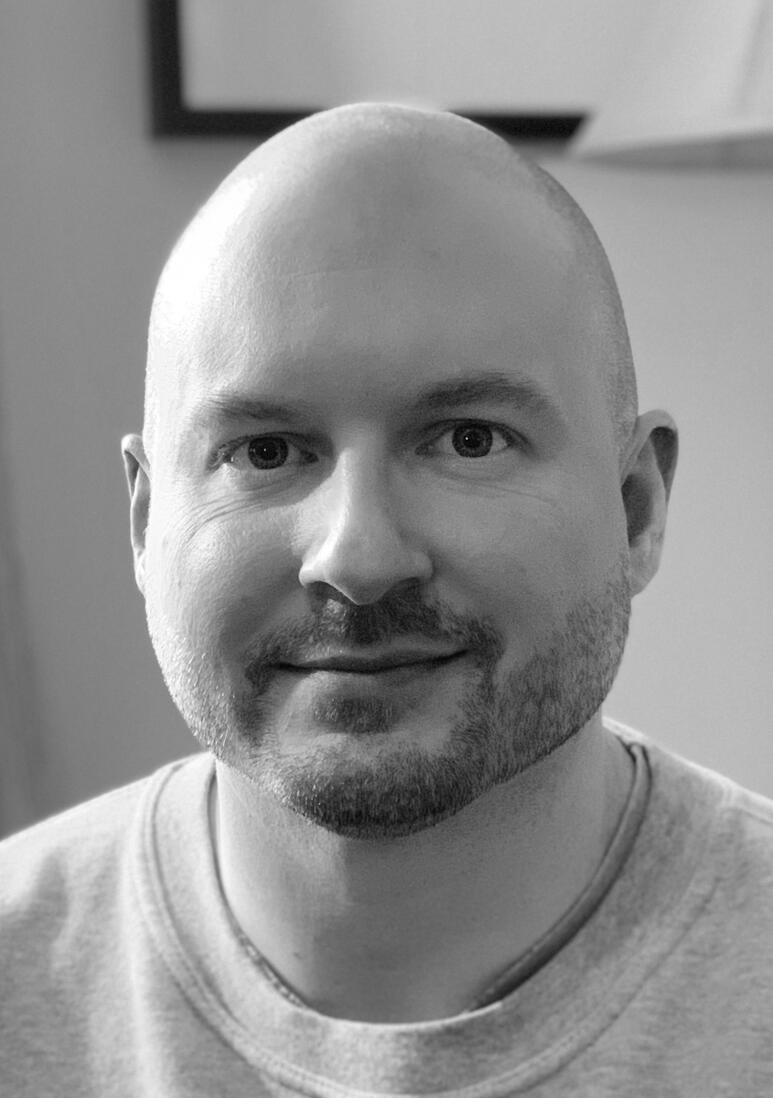
Beyond the work.
I'm interested in the intersection of emergency management, business continuity, risk, leadership and the practical realities of how organizations operate.I'm particularly interested in how traditional approaches to preparedness can evolve to help organizations adapt to a changing world.
My approach draws from a traditional business continuity background while incorporating principles of Adaptive BC -- an alternative and practical way of thinking about preparedness, continuity, and resilience.
>>> WWW.ADAPTIVEBCP.ORG
CONTACT
Let's talk about resilience.

* Lofi may have been enjoyed during the making of this website.
Main Think Build Experience About
©2026 // mikehuk.com